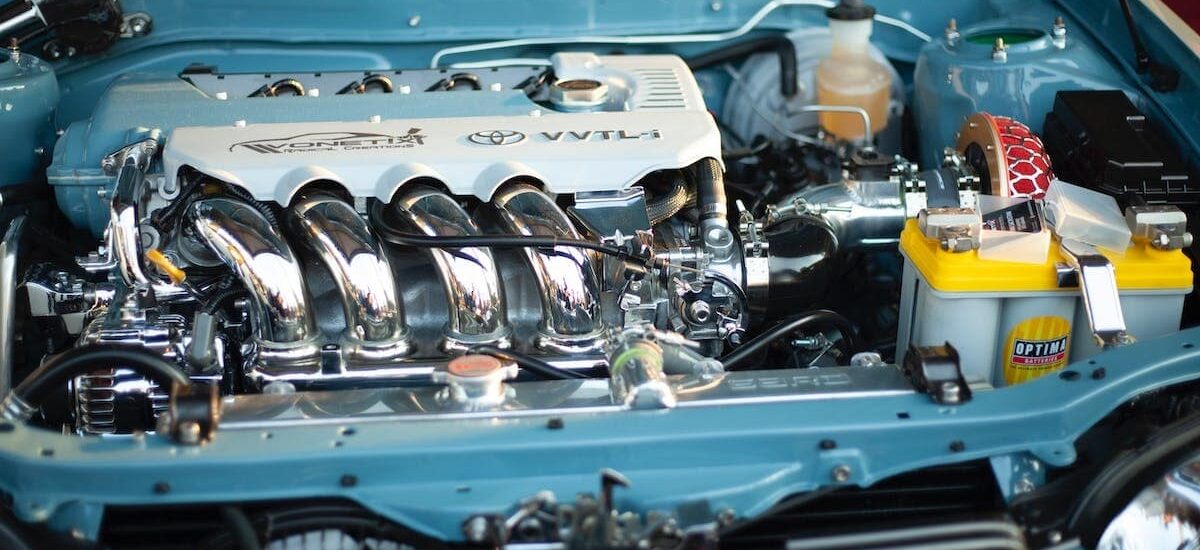
In the world of automotive optimization, it is common to encounter the terms ‘stage 1’ and ‘stage 2’ in reference to engine remapping. These terms may seem mysterious to the novice, but they are actually quite simple to understand. They refer to levels of engine optimization, which vary in terms of complexity and results. The goal here is to explain these distinctions, shedding light on what differentiates a stage 1 remapped engine from a stage 2 one, with the aim of providing all the necessary information for those looking to optimize their vehicle’s performance.
Stage 1: a subtle yet significant improvement
Stage 2 represents a true leap forward in engine performance compared to stage 1. While stage 1 engine remapping provides a subtle yet significant improvement, stage 2 pushes the limits even further.
Technically, the difference between these two levels mainly lies in the complexity of the intervention. To reach stage 2, hardware modifications may be necessary. This can include changes such as a sports exhaust or a modified air intake to allow better airflow to the engine.
This more intense approach results in a considerable increase in overall engine performance. The gains in power and torque are significantly higher than those achieved with stage 1 remapping, thus offering a more dynamic and exhilarating driving experience.
You should note that this more advanced optimization is not without consequences. Using stage 2 engine remapping can lead to increased wear on mechanical and electrical components of the vehicle. You need to consider these potential drawbacks before opting for this level of optimization.
Choosing between stage 1 or stage 2 engine remapping will depend on the type of driving experience desired and the compromises one is willing to make. If you are simply looking for a slight performance gain without major risks to your car, then opting for stage 1 will be more than sufficient. If you are a driving enthusiast and are willing to invest more for extraordinary performance, then stage 2 will certainly be the way to go.
Understanding the differences between stage 1 and stage 2 engine remapping is essential for making an informed decision about optimizing your vehicle’s performance. Whether you choose stage 1 or stage 2, always ensure to consult a qualified professional who can adjust the engine parameters according to your specific needs, thus guaranteeing an optimal driving experience without compromising the vehicle’s reliability.

Stage 2: a leap forward in engine performance
Let’s continue our exploration of the technical differentiations between stage 1 and stage 2 of engine remapping. Beyond the hardware modifications necessary to move from stage 1 to stage 2, it is important to closely examine the software aspects.
While stage 1 mainly focuses on optimizing the engine management software (ECU), stage 2 goes further by making more precise and sophisticated adjustments. The team of expert programmers works in depth to modify key parameters such as fuel injection, ignition, turbo pressure, and many others.
This not only allows for a significant increase in power and torque but also a noticeable improvement in performance at all engine speeds. The vehicle thus gains dynamism during acceleration while perfectly maintaining its flexibility at low speeds.
Stage 2 relies on a meticulous analysis of data related to your vehicle to bring personalized modifications tailored to the specific characteristics of your engine. It takes into account several factors such as the size of the turbocharger or the thermal capacity of the cooling system to optimize every technical aspect with a constant concern for efficiency and safety.
This advanced level therefore requires specialized expertise and often demands more hours of work compared to stage 1. Some models may require additional components such as a new turbocharger, a high-performance exhaust system, or modifications to the air intake. These additions contribute to the overall improvement of engine performance.
The technical differentiations between stage 1 and stage 2 of engine remapping are clear.
The technical differences between stages 1 and 2
Now let’s analyze the advantages and disadvantages of stage 1 engine remapping. As with any modification made to a vehicle, you need to consider the potential drawbacks associated with stage 1. Some insurance companies consider this modification to be non-compliant with manufacturer specifications, which can lead to an increase in premiums or even render your insurance invalid in the event of an accident.
Additionally, some car manufacturers may void the vehicle’s warranty if it has been remapped without their explicit consent. Therefore, it is crucial to inquire with the manufacturer before making any modifications.
Stage 1 engine remapping: advantages and disadvantages
Continuing our analysis, let’s now discuss the advantages and disadvantages of stage 2 engine remapping. This additional step in engine optimization offers even more advanced performance, but it is not without its drawbacks.
One of the main advantages of stage 2 engine remapping is an increased power. By adjusting various engine parameters such as fuel injection, ignition, or turbo pressure, it is possible to achieve significant gains in terms of torque and power. This translates to faster acceleration, better vehicle responsiveness, and easier overtaking on the road.
Stage 2 engine remapping also allows for improved fuel efficiency.
Stage 2 engine remapping: advantages and disadvantages
Continuing our analysis, let’s now discuss the advantages and disadvantages of stage 2 engine remapping. This additional step in engine optimization offers even more advanced performance, but it is not without its limitations.
One of the main advantages of stage 2 engine remapping is an increased power. By adjusting various engine parameters such as fuel injection, ignition, or turbo pressure, it is possible to achieve significant gains in terms of torque and power. This translates to faster acceleration, better vehicle responsiveness, and easier overtaking on the road.
Stage 2 engine remapping also allows for improved fuel efficiency.
How to choose between stage 1 and 2 for your vehicle
The combustion of fuel is optimized, allowing for a more efficient use of energy and a reduction in fuel consumption. Stage 2 engine remapping can also lead to an improvement in high-rev performance, thus offering an even sportier driving experience.
You should note that stage 2 engine remapping also comes with some drawbacks. By increasing engine performance beyond the manufacturer’s specifications, it can negatively impact its long-term durability. Internal components may be subjected to greater stress, and premature wear is possible if the vehicle is not properly maintained.
Some car models are simply not compatible with stage 2 engine remapping due to hardware or software limitations. You should consult an experienced professional before considering this step to avoid any potential damage.