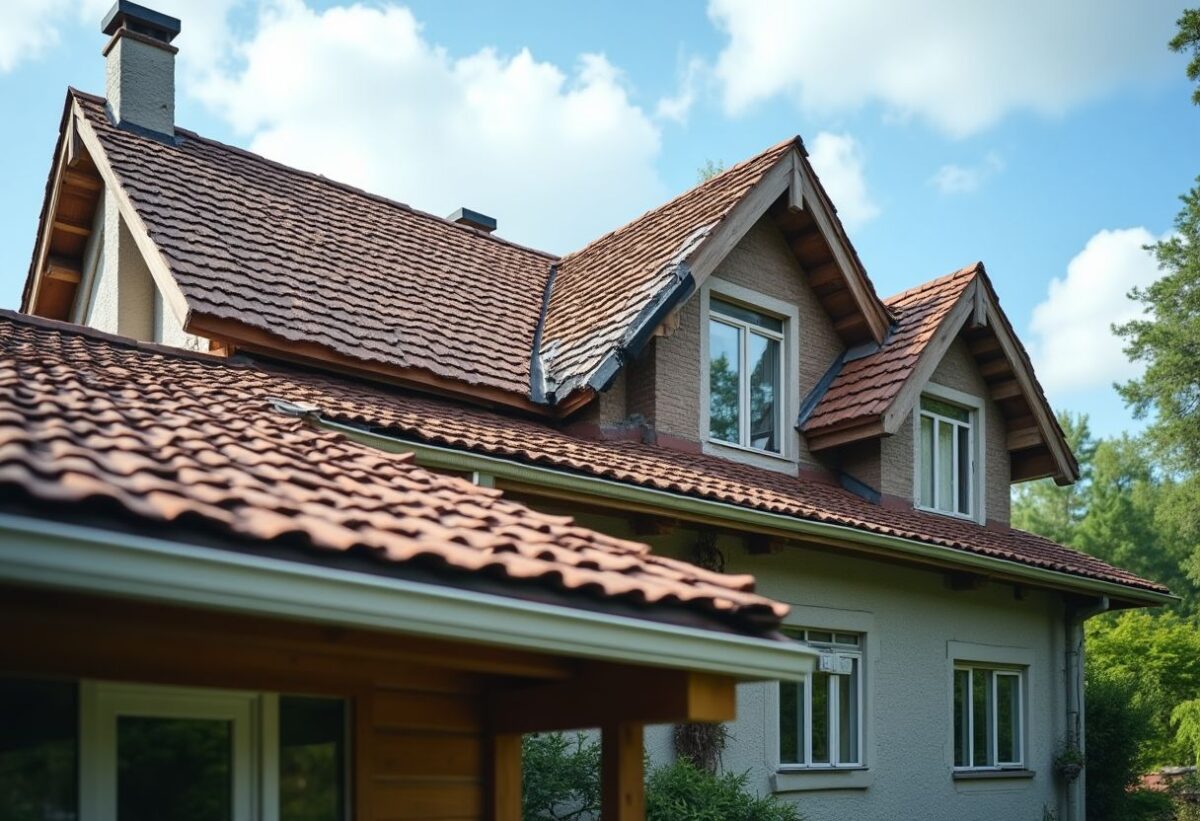
Renovating your roof is a delicate operation that raises many questions. Among them, the possibility of changing the roofing material without touching the existing framework often intrigues homeowners. The roof, often considered the fifth facade of the house, plays a crucial role in aesthetics, insulation, and the protection of the structure. It is therefore legitimate to want to give it a fresh look, whether to improve its appearance or to optimize its energy performance. But can such a transformation be done without a complete overhaul of the framework? This question deserves a thorough analysis that takes into account technical, structural, and regulatory aspects.
The technical challenges of changing roofing material
Changing the material of your roof without touching the framework involves understanding the technical constraints related to this operation. These constraints can vary depending on the type of material chosen and the existing structure of your roof.
- Weight of the material: one of the main issues lies in the weight of the new materials. For example, switching from a tile roof to a lighter material, such as steel sheets, can be considered without modifying the framework. On the other hand, the reverse may require structural reinforcement.
- Compatibility with the existing framework: some frameworks are specifically designed for a certain type of material. A change may therefore require prior verification by a roofer in Nantes to ensure compatibility.
- Insulation and Waterproofing: changing the roofing material can also impact thermal insulation and waterproofing. It is essential to choose a material that offers good insulating performance to maintain or improve the energy efficiency of the building.
Regulatory and administrative considerations
A change in roofing material also involves taking into account urban planning rules and legal obligations. Standards vary by municipality and region, and it is essential to gather information before undertaking any work.
Compliance with the Local Urban Plan (PLU) is imperative. This document determines the construction and renovation rules in each municipality. Thus, it may impose specific materials for aesthetic or heritage reasons, especially if your house is located in a classified or protected area. In some cases, a prior declaration of work, or even a building permit, may be necessary. Consulting the urban planning department of your town hall is therefore an essential step.
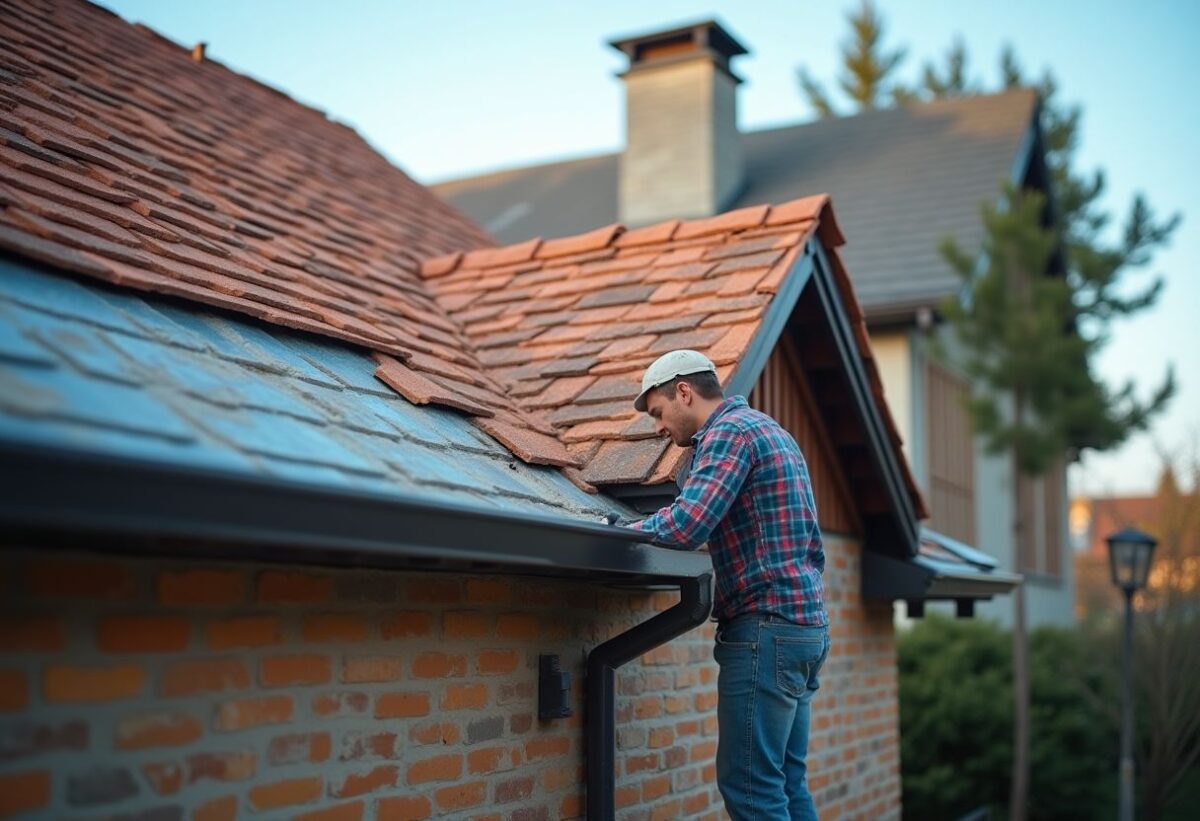
Financial and economic aspects
The cost of changing roofing material without modifying the framework depends on several factors, including the chosen material and the condition of the existing framework.
Roofing materials vary considerably in terms of price. A more economical material to purchase may incur additional costs in terms of maintenance or durability. Furthermore, a prior assessment of the framework is often necessary to evaluate any potential repairs or reinforcements, even if the material considered is lighter. These elements must be taken into account in the overall budget of the project.
Steps to follow for a successful change
Successfully changing the roofing material while retaining the framework involves following a few crucial steps to ensure the durability and safety of the work.
- Initial assessment: a diagnosis by a professional to check the condition of the framework and its compatibility with the new material.
- Choice of material: select a material compatible with the framework and compliant with local requirements.
- Administrative formalities: obtain the necessary permits based on the PLU and local regulations.
- Execution of the work: hire a professional for the installation, thus ensuring the quality and compliance of the work.
Changing the roofing material without completely rebuilding the framework is often feasible but requires a methodical and informed approach. The various technical, regulatory, and economic aspects must be considered to successfully carry out this project. Engaging a qualified professional not only ensures compliance with the work but also provides valuable advice on materials and techniques suited to your specific situation. Careful preparation and meticulous execution will transform your roof while preserving the integrity of your framework.