
Long drive is not played like traditional golf. The discipline is built around competition grids, qualifying formats and specialist equipment (drivers with ultra-stiff shafts and clubheads at the maximum permitted volume). Before you start hitting balls, getting in touch with an organisation such as Longdrivers Belgium means understanding what is actually available to non-competitors.
Long drive rules and grid format: what your first enquiry may not always cover
Long drive follows a regulatory framework distinct from course golf. Official competitions require players to land each drive within a designated landing corridor (the grid). Any drive that lands outside the corridor is invalid, regardless of distance.
This point is rarely explained in detail during an initial exchange. Beginners who expect a simple practice session with a driver instead encounter a discipline where accuracy within the grid takes priority over raw distance. Long drive clubs in Belgium organise their sessions around this grid format, not a conventional driving range.
Before booking anything, the most reliable approach is to contact Longdrivers in Belgium and ask specifically what programme is available to newcomers: an introduction to grid play, a demonstration only, or open access to the long drive practice area.
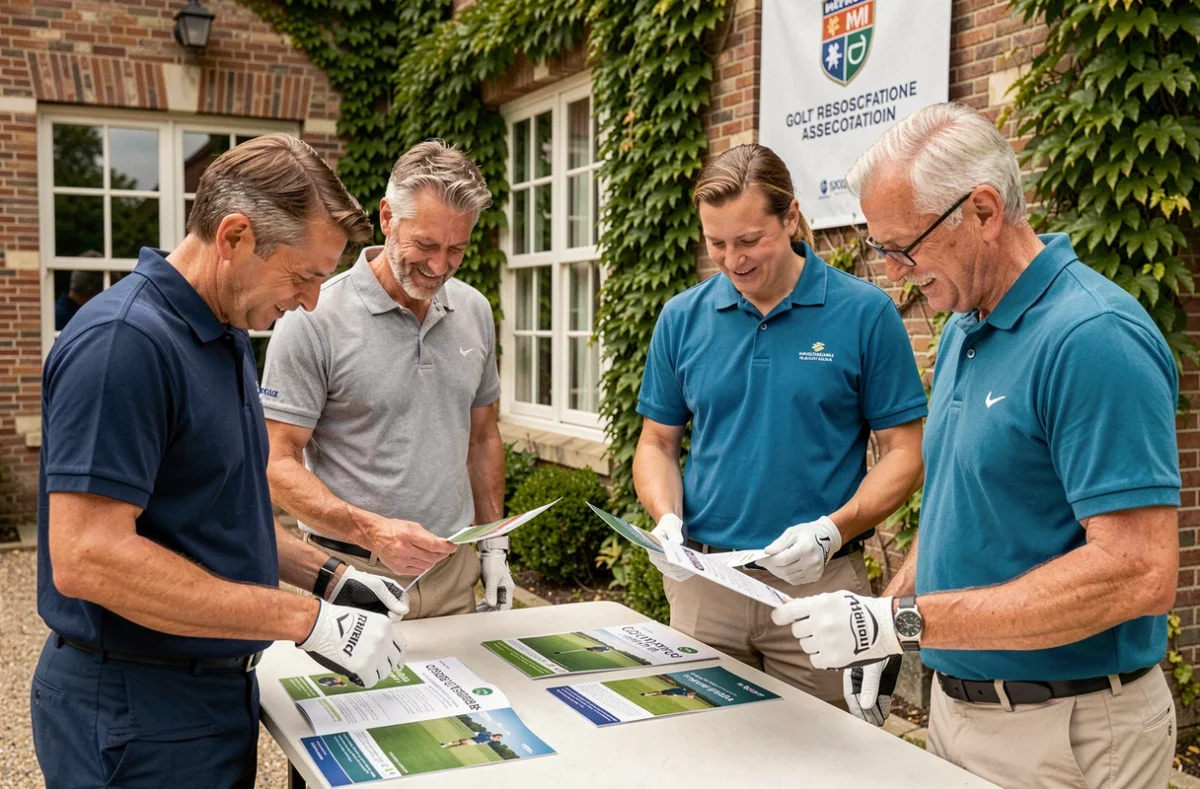
Activities for beginners in long drive golf in Belgium
A common mistake is to assume that an initial enquiry will lead to a trial session under competition conditions. In practice, long drive organisations operate on varying schedules, often linked to the European competition season (spring to autumn).
Access arrangements vary depending on the participant’s background. A licensed golfer with a handicap and a measured swing speed above a certain threshold will have a different introduction to the sport than an athlete from another discipline (baseball, cricket or athletics) drawn to long drive’s explosive power.
Several points are worth clarifying when you first get in touch:
- The exact location of sessions (some clubs use dedicated facilities, while others rent time slots at existing practice ranges in Wallonia or Flanders)
- The schedule for upcoming open introductory sessions, which may not take place every month
- The cost of a first session, which may be included in an annual membership or charged per session
- Equipment requirements: some clubs lend drivers suited to long drive, while others require participants to bring their own equipment that meets the regulations
Failing to ask these questions in advance can lead to frequent misunderstandings, particularly among golfers used to how traditional golf clubs operate.
Differences between a traditional golf club and a long drive organisation in Belgium
A golf club affiliated with the Belgian federation (AFGOLF) offers courses, handicap competitions and lessons with a certified pro. Its business model is based on membership fees, green fees and food and beverage sales.
A long drive organisation works differently. Long drive is an explosive power discipline, not a course sport. There are no green fees in the traditional sense. Training focuses on clubhead speed, smash factor and optimising launch angle.
Belgium has a dense network of golf clubs: Wallonia alone has dozens of listed courses, from the Royal Golf Club du Hainaut to Golf de Naxhelet. Long drive, by contrast, remains a niche sport with only a small number of active organisations. This is why your first step should be to get in touch directly rather than look for an online schedule, which is often incomplete or out of date.

Course swing and long drive swing: two distinct techniques
The long drive swing prioritises maximum hip rotation, an extreme X-factor (the difference between shoulder and hip rotation) and a highly aggressive acceleration tempo through the impact zone. Its swing mechanics differ radically from the technique taught at golf schools.
A course golfer looking to try long drive cannot simply use their existing swing. Drivers used in long drive competitions have specific characteristics: shafts longer than standard (often at the maximum length permitted by the rules), very stiff flexes (X or TX) and heads calibrated for a low loft to encourage roll after landing.
This technical distinction also shapes the coaching on offer. A long drive coach works on muscular power, thoracic mobility and the kinetic sequence, whereas a course pro focuses on scoring and the short game.
Preparing to contact Longdrivers Belgium
To make your first conversation productive, gather a few practical details before sending a message or making a call:
- Your current golfing experience (handicap, if applicable; how often you play; and swing speed, if you know it from a launch monitor)
- Your goal: a one-off introduction, regular training or a longer-term competitive ambition
- Your location in Belgium, to identify the most accessible training site
- Your availability, bearing in mind that long drive sessions follow their own schedule, not the one used by golf clubs
A well-structured message is more likely to get a faster, more precise response than a vague request such as “I’d like to try long drive”. Community organisations often rely on volunteers, whose response times depend on their workload during ongoing competitions.
Long drive remains a niche sport in Belgium. The community is relatively new, making direct contact all the more important for finding the right information and the right people to speak to.