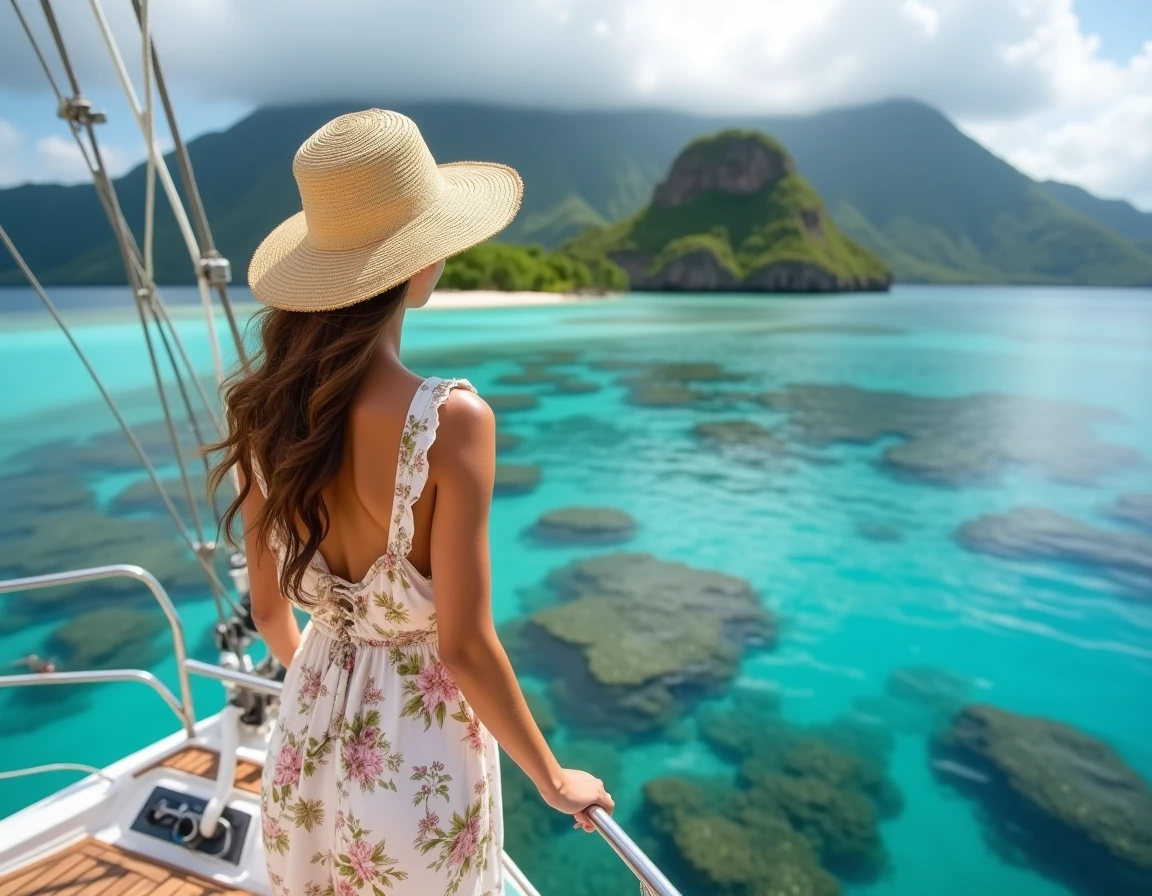
French Polynesia has over a hundred islands spread across five archipelagos, but a cruise only covers a fraction of them. The choice of navigation type, boat, and timing influences the reality of the stay much more than the itinerary catalog. Certain parameters, such as medical coverage or recent weather fluctuations, deserve special attention before booking.
Southern swells and trade winds: how the weather affects your cruise
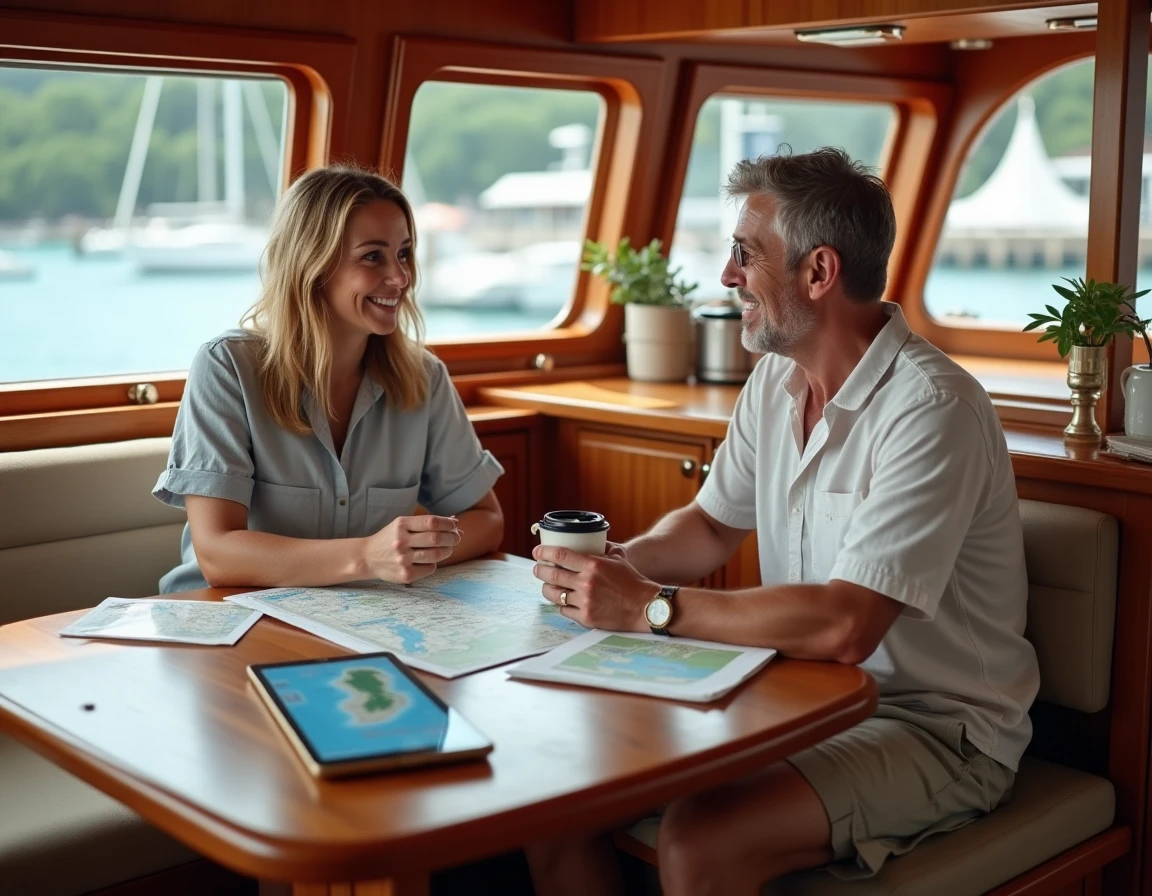
Classic guides contrast the dry season (May to October) with the wet season (November to April). This framework remains valid, but it masks a phenomenon that impacts itineraries: episodes of strong southern swells have been increasing since 2023, as reported by the Polynesian Meteorological Service.
During the southern winter, these swells can make certain passes difficult to navigate, particularly in the Tuamotu. Lagoon outings are then canceled, and small vessels or charter sailboats are more affected by these constraints than cruise ships.
La Niña-related phenomena add episodes of intense rainfall, even during periods usually considered dry. In practical terms, an itinerary planned between Raiatea and Huahine may be changed at the last minute. When starting to prepare a cruise in Polynesia, incorporating this weather variable from the planning stage helps avoid many disappointments.
Travel insurance and diving in Polynesia: clauses to check before departure
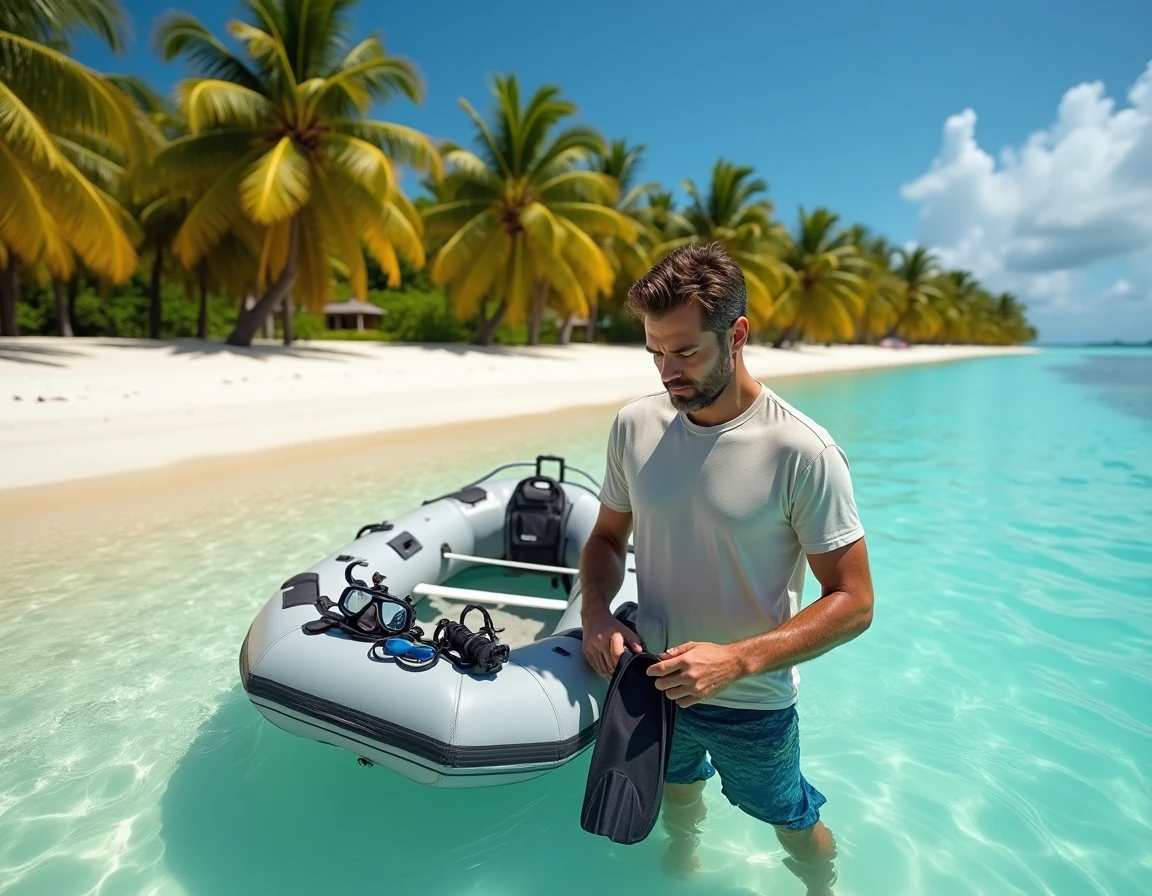
Scuba diving is one of the primary motivations for a cruise in these waters. Since 2022, French travel insurers have tightened their conditions on this specific point, and feedback varies on the ease of claiming coverage from an isolated atoll.
Several contractual elements deserve careful reading:
- Scuba diving beyond a certain depth often requires a explicit declaration at the time of subscription, otherwise coverage does not apply.
- An extension for “high-risk sports” is increasingly required to cover medical evacuation costs, especially to Tahiti or New Zealand.
- The cost of repatriation from a Tuamotu atoll has increased with the inflation of regional air transport, which explains the rise in deductibles with some insurers.
A standard contract does not automatically cover diving in Polynesia. Specialized insurers like Chapka or ACS offer tailored packages, but their general conditions change every year. Checking the version in effect at the time of booking remains the only reliable precaution.
Sailboat, catamaran, or cruise ship: the boat defines the Polynesian experience
Competitors willingly list the companies. The real issue is what the type of boat implies on a daily basis.
Charter sailboat or catamaran rental
Renting a boat on a charter (with or without a skipper) offers maximum itinerary freedom. You anchor in bays accessible only by sea, adapting the program to the wind. However, sailing on a sailboat directly exposes you to swell and trade wind conditions. An inexperienced crew in the South Pacific may find themselves stuck at anchor during a swell episode.
Charter bases are concentrated around Raiatea, in the Leeward Islands. The required profile: sailors comfortable with reading coral passes and tidal currents.
Cruise ships like Aranui or large liners
The Aranui serves the Marquesas, an archipelago that rental sailboats do not easily reach. This mixed cargo ship transports both freight and passengers, giving the stop a different character from a classic cruise.
Cruise ships, on the other hand, favor the Tahiti – Moorea – Bora Bora triangle with high onboard comfort. Time spent on land is more limited than on a charter. The duration of stops rarely exceeds a few hours, which reduces opportunities for immersion in local culture.
Stops in the Tuamotu: constraints that brochures do not detail
The Tuamotu atolls attract visitors for their lagoons and some of the most renowned diving spots in the Pacific. Rangiroa and Fakarava concentrate the majority of cruise traffic. Access is through narrow passes where currents can reach speeds that prohibit crossing at certain tide times.
For a charter sailboat, this means planning each entry and exit from the lagoon based on tide tables and the day’s weather. A timing error at the Tiputa pass in Rangiroa is not trivial.
Onshore infrastructure remains limited. Few shops, no hospital, infrequent air connections to Tahiti. Any serious medical issue involves costly and sometimes slow air evacuation. This factor directly relates to the insurance question mentioned earlier.
Budget and realistic duration of a cruise in French Polynesia
The budget for a Polynesian cruise varies significantly depending on the chosen format. A shared catamaran charter among several couples is cheaper per person than a cabin on a cruise ship, but additional costs (provisioning, fuel, mooring fees) can accumulate quickly.
Regarding duration, feedback converges: below ten days of effective sailing, you skim the surface. The distances between the archipelagos are large, and the transit time between the Leeward Islands and the Tuamotu easily absorbs two days at sea.
French Polynesia remains a destination where the balance between available time and accessible landscapes requires careful consideration. It is better to explore a single archipelago in depth than to hop from island to island without enjoying the lagoons, hiking in Moorea, or meeting people in Huahine. A focused itinerary around Raiatea, Tahaa, and Bora Bora, for example, allows for sailing without long crossings while varying experiences on board and on land.