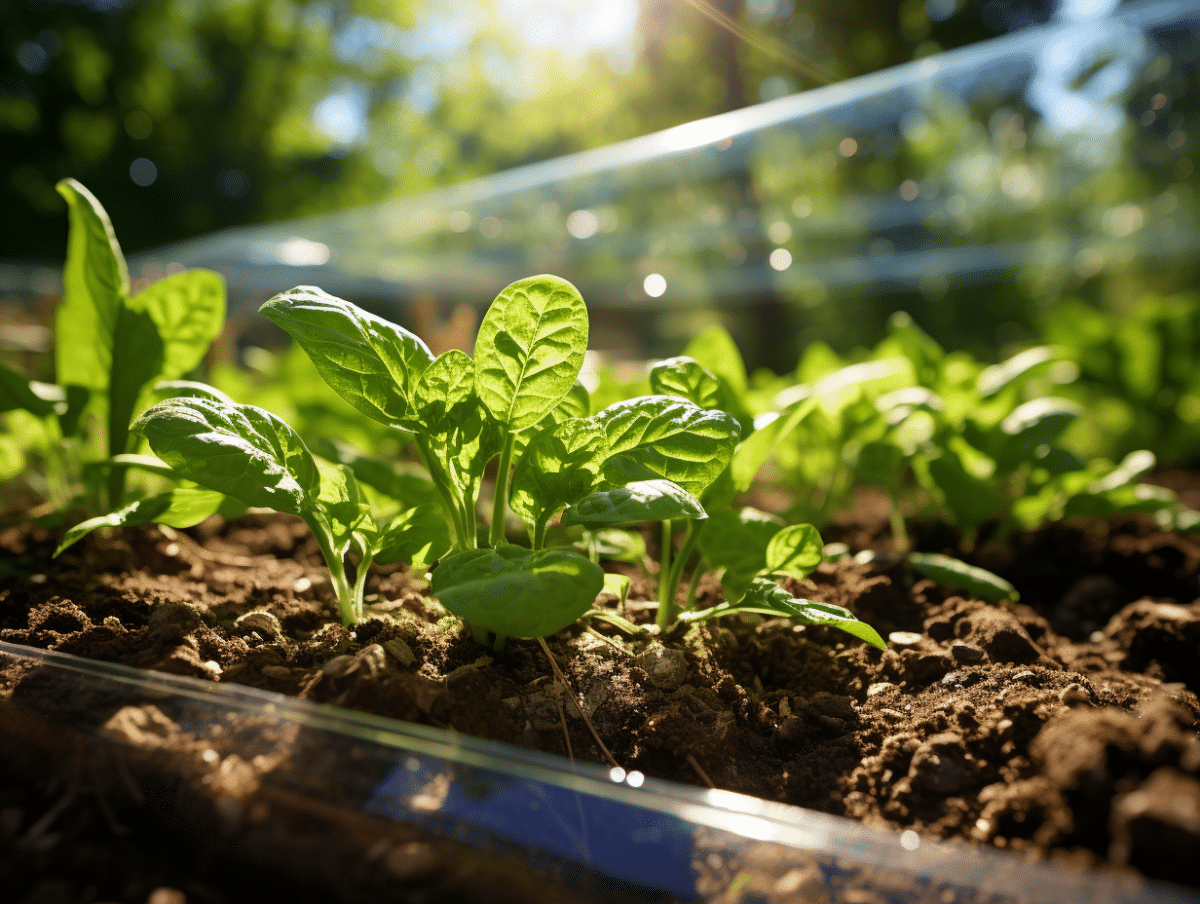
Earthworms play a fundamental role in the ecological balance of the soil by fertilizing it and promoting plant growth. Their environment can be disrupted by the invasion of flies and mosquitoes, which can harm their health and productivity. It is therefore essential for any gardener or farmer wishing to maintain rich and vibrant soil to adopt effective strategies to protect these valuable invertebrates. The tips and tricks that follow will guide you in implementing preventive and curative measures to safeguard your earthworms from flying pests.
Preventive strategies to protect earthworms from pests
The fight against flying pests, particularly fungus gnats and mosquitoes, begins with a preventive approach based on appropriate cultural practices and the maintenance of the soil ecosystem. Indoor plants are often the victims of these insects, especially the larvae of fungus gnats that attack the root hairs, thereby compromising plant health and the biological balance in which earthworms thrive. To prevent flies from laying eggs in the potting soil, ensure that the soil remains aerated and less attractive to these insects.
Simple yet effective tricks, such as covering the potting soil with sand, decorative pebbles, or gravel, serve as physical deterrent barriers. These surface layers make the ground less accessible for laying eggs, thus protecting the earthworms. Similarly, moderate use of moisture, avoiding soil saturation, discourages the proliferation of gnats attracted by humus and other decomposing organic matter.
To complement these methods, follow the tips to keep flies and mosquitoes away from your earthworm with natural solutions. The introduction of specific nematodes, natural predators of fly larvae, can regulate their population without harming the earthworms. Damage to root hairs allows infection by bacteria and fungi, further compromising plant health. Effective prevention of fungus gnats is therefore essential for the overall protection of the garden and the preservation of underground ecosystems.
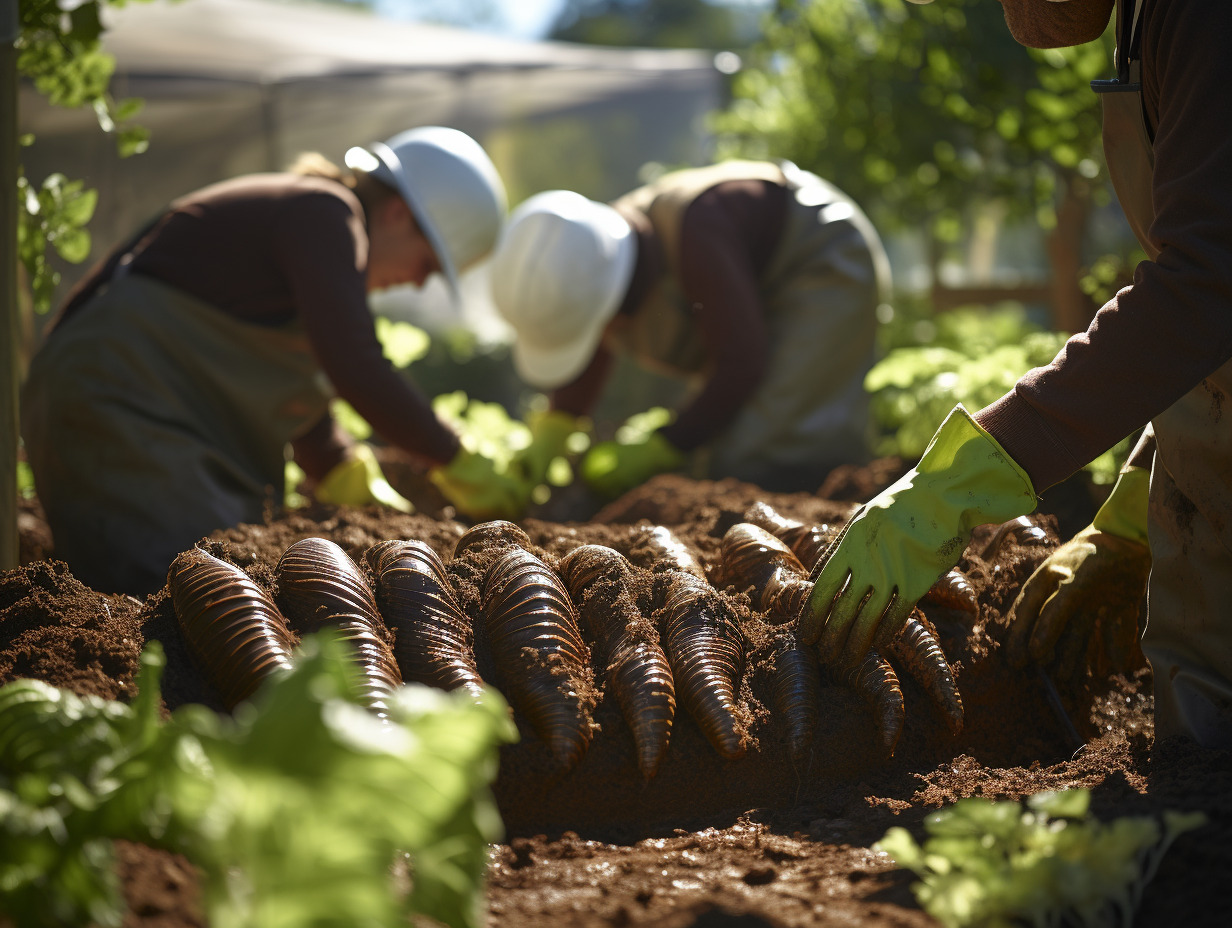
Natural and ecological methods to combat flies and mosquitoes
Fungus gnats and mosquitoes pose a threat to the health of indoor plants and the balance of soil ecosystems. Therefore, natural tactics are necessary to eradicate these pests without disrupting biological harmony. Among them, the use of sand, decorative pebbles, or mulch on the potting soil discourages insect egg-laying and disrupts the reproductive cycle of flies, which have a short lifespan but reproduce quickly.
The use of natural repellent substances is also effective. Solutions made from vinegar, wine, honey, or sugar attract and trap these flying insects. The presence of lemon slices studded with cloves or the application of a solution made from black soap and black tea can also serve as natural repellents. These methods, easy to implement, are beneficial for the protection of earthworms and the preservation of plant health.
Let’s delve deeper with the use of diatomaceous earth, a natural insecticide that causes physical damage to insects without harming earthworms. This mineral compound, formed from the fossils of microscopic algae, is known for its effective action against a range of harmful insects. Sprinkled around plants, it creates a formidable defensive barrier.
Let’s not forget the impact of essential oils, such as citronella oil, recognized for its repellent properties against mosquitoes. A moderate diffusion around the plants helps establish a protective sphere, deterring the approach of flying pests. These ecological and environmentally friendly methods, when applied judiciously, prove to be valuable allies in preserving underground biodiversity.