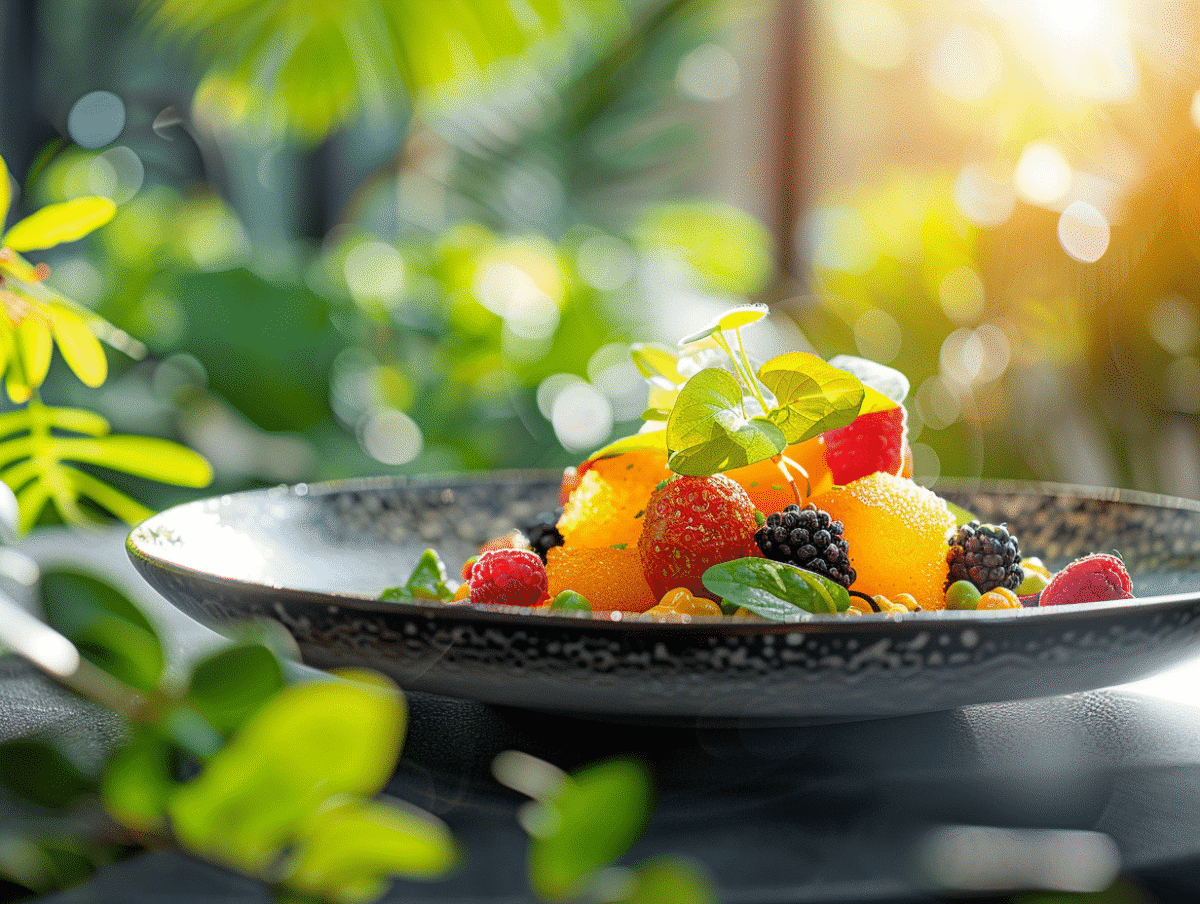
Imagine a world where every bite is a unique adventure, a sensory journey that transcends the boundaries of the conventional. It is in this quest for culinary exoticism that the exploration of atypical dishes plays a leading role. Gastronomy, in its magnificent diversity, offers often-overlooked taste treasures, unknown dishes waiting to reveal their unusual flavors. Opening up to these culinary experiences is to embrace a revolution of the taste palette, where unexplored spices and surprising combinations become the protagonists of the table, promising to radically transform the traditional perception of food.
Discovering Unusual Flavors: The Art of the Surprising Plate
In the culinary arena, the palate is the ultimate judge, constantly seeking new stimuli, new flavors that escape the routine of familiar tastes. Chefs, those artists of gastronomy, know that to captivate, one must sometimes disorient. They can identify a flavor and transform it, transcend it, placing it in a composition where it was not expected. Their mastery of culinary exploration becomes an asset, a key to unlocking the doors of an unforgettable experience.
The role of taste buds and the nose in flavor detection is well known, but it is the art of combining them in unprecedented ways that revolutionizes the tasting experience. Scents precede taste, preparing the ground for the assault of flavors. The umami flavor, that fifth taste often mentioned but rarely understood, resides in ingredients such as aged cheese or ripe tomatoes, bringing an unsuspected depth. Consider the starchy flavor, less known, which evokes the sweetness of grains after cooking; it could, in turn, enrich the taste palette.
There is, for example, coffee, which, far from being limited to the morning stimulating drink, can be used in various recipes, instilling its roasted aromas and complexity into both savory and sweet dishes. Comfrey, this edible wild plant with multiple virtues, is making its way into bold kitchens, where it is valued for both its texture and its flavor nuances, a true cobette in the spectrum of available flavors.
The revolution of your taste palette with atypical dishes is not the exclusive domain of Michelin-starred restaurants or exotic tables; it also manifests in the intimacy of kitchens where boldness and curiosity are the only necessary guests. Fusion cuisine, by breaking culinary boundaries, offers unexpected pairings: imagine a ceviche enhanced with a touch of wasabi, or a chocolate dessert enriched with olive oil and sea salt. These initially surprising combinations become vehicles for renewed delight.
The Secrets of Innovative and Bold Cooking
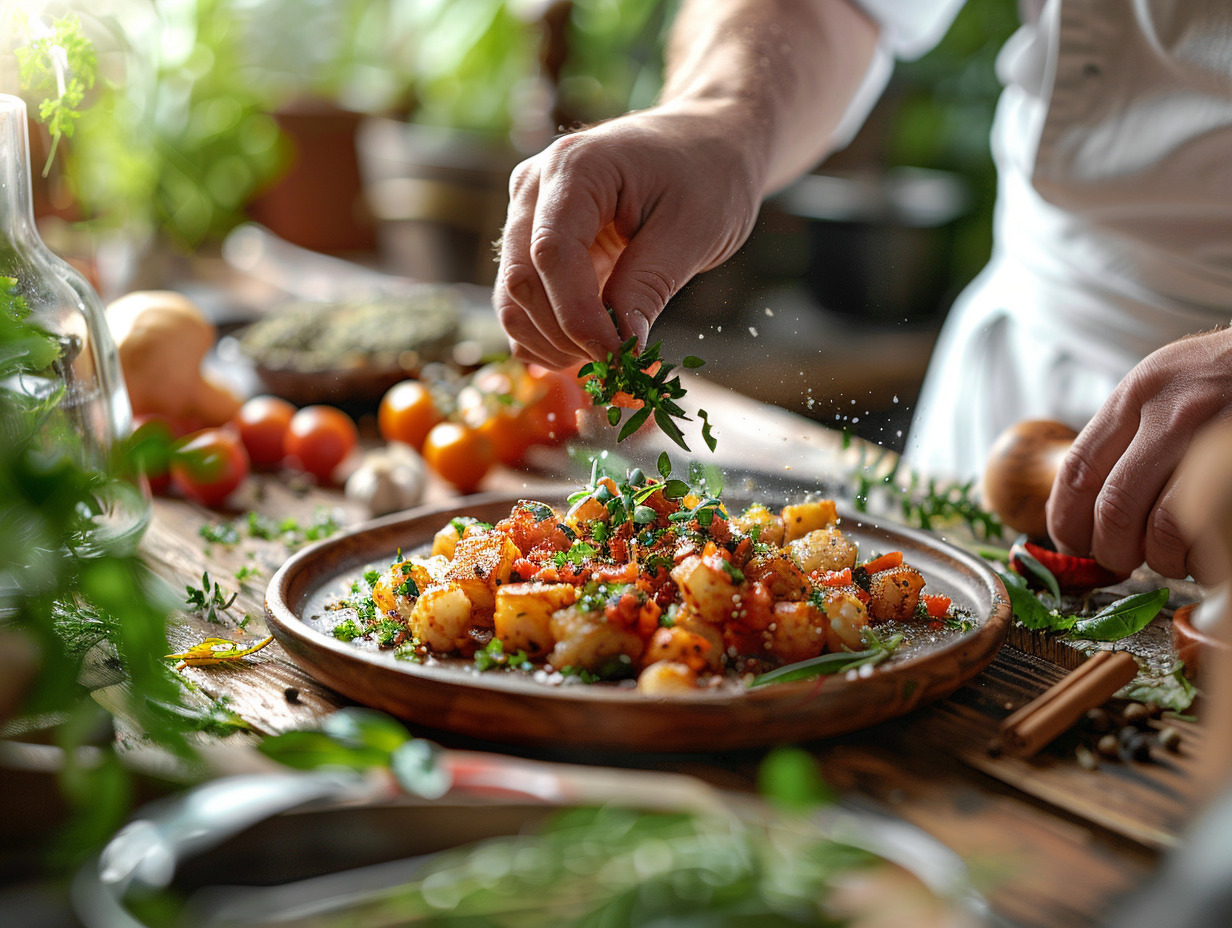
Innovation in the kitchen is often the result of meticulous training, a constantly renewed curiosity, and a deep knowledge of products. The cleansing of the palate between tastings, for example, is a practice that allows rediscovering flavors in their simplest expression. Neutral palate cleansers can be used to provide a blank canvas before each new bite.
Respecting oral health is a parameter often underestimated in the quest for pure flavors. Avoiding elements that alter it, such as cigarettes, is essential to preserve the sensitivity of the taste buds. The practice of mindfulness applied to eating allows one to fully immerse in the tasting experience, capturing every nuance.
Contemporary gastronomy shows boldness by integrating surprising elements such as CBD. Far from its conventional uses, CBD finds its place in infused foods that promise new sensory experiences. Whether in oils or capsules, CBD is a striking example of how cooking can open up to unexpected horizons while meeting the demands of a clientele seeking well-being.
The fusion of world cuisines also allows for shaking up conventions. The combination of French pastry with elements of Japanese culture, for example, creates unforgettable recipes where traditional techniques meet distant flavors. This blending, when done with local products, reflects chefs’ commitment to quality and freshness while making a significant contribution to the local economy.