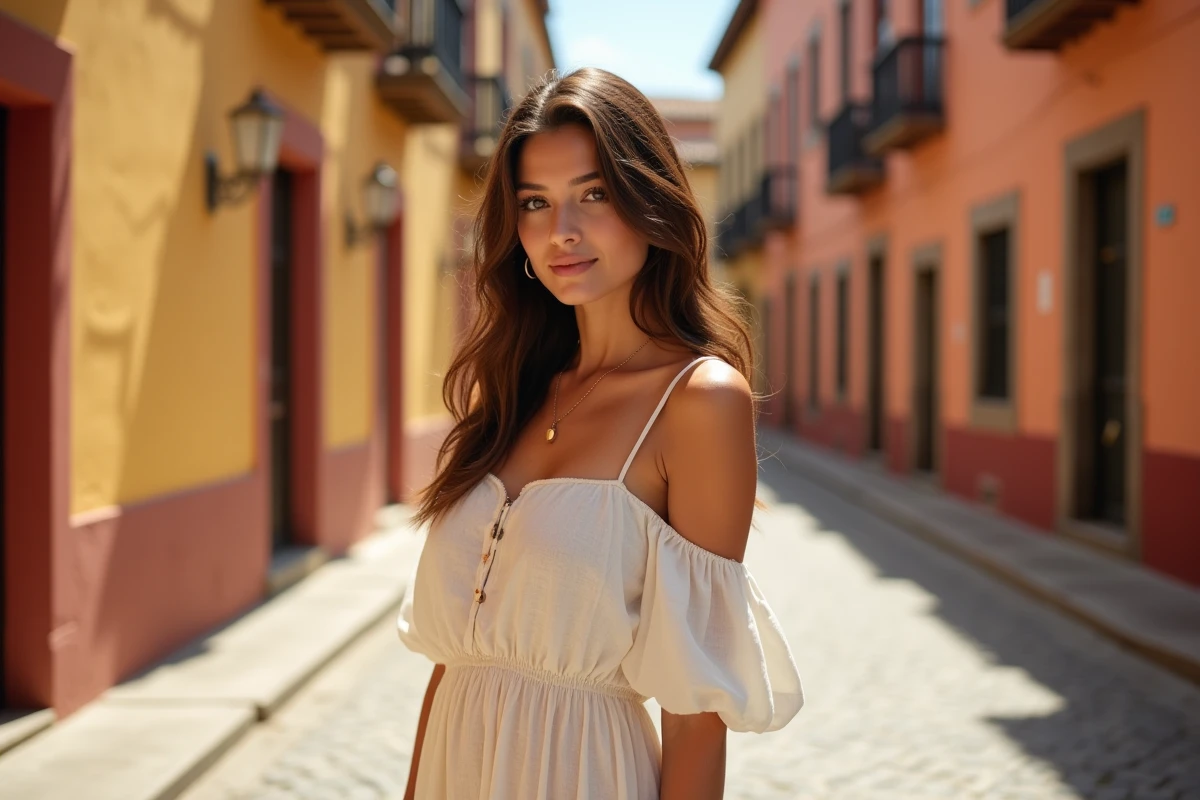
Beauty rankings for women by country rely on editorial mechanisms that most readers never question. There is no scientific methodology underpinning these lists: no statistical protocol, no representative panel, and no reproducible criteria. Yet, we observe a proliferation of these rankings each year, driven by social media and mainstream media.
Geographical Bias in Beauty Rankings by Country
The lists published in 2024 massively overrepresent North America, Western Europe, and a handful of Asian countries. Sub-Saharan Africa, Central Asia, and the Middle East remain marginalized in these formats, not due to a lack of beauty, but due to a lack of media visibility.
This imbalance can be explained by the concentration of the fashion, film, and music industries in a few hubs. Women from countries with a strong presence on Instagram and TikTok enjoy a structural advantage in these rankings. A country without an international star on social media remains invisible, regardless of the aesthetic potential of its population.
We also note that competitions like Miss Universe feed into these rankings. Nations that invest in preparing their candidates gain editorial visibility, which skews the overall perception. A ranking of the most beautiful women in the world by country thus reflects more the media power of a territory than the reality of its aesthetic diversity.
Absent Methodology: How These Beauty Lists Are Made
None of the rankings circulating in 2024 publish a transparent protocol. Portals like Global Independent compile votes from internet users or editorial selections without specifying the sample size, the geographical distribution of voters, or the criteria used.
These lists fall under editorial entertainment, not verifiable analysis. Editorial teams choose their candidates from already famous actresses, models, and singers. The circle is self-referential: fame generates selection, which reinforces fame.
Three recurring mechanisms feed these rankings:
- Online participatory voting, easily manipulable by organized fan communities on social media
- Editorial selection by editors who draw from the same pools of Anglo-Saxon and Latin American celebrities
- The aggregation of Google searches and Instagram mentions, which mechanically favors the most exposed personalities
The result is a ranking where the same names appear year after year, with minor variations related to current events in film or music.
Female Beauty and Influence: The Shift of 2024
The media treatment of women in 2024 shows a tension between two approaches. On one hand, traditional aesthetic rankings persist. On the other, formats like the BBC 100 Women list highlight influence, leadership, and resilience rather than physical appearance.
The BBC included profiles in its 2024 selection such as Nadia Murad, Nobel Peace Prize laureate, Gisèle Pelicot, and athlete Rebeca Andrade. Influence is gradually replacing appearance as a criterion for female visibility in serious editorial media.
This evolution does not eliminate beauty rankings, but it repositions them. Aesthetic rankings are migrating to short, participatory formats on TikTok and Instagram, while traditional media favor angles related to social impact.
Most Cited Countries in Beauty Rankings 2024
By cross-referencing the various lists published in 2024, certain countries consistently appear. Their presence is less about objective consensus than about the power of their cultural industry.
| Country | Main Visibility Factor |
|---|---|
| United States | Hollywood, music industry, Instagram |
| Brazil | Modeling, Miss Universe competitions |
| South Korea | K-pop, cosmetics industry, exported beauty standards |
| Colombia | National beauty competitions, social media presence |
| Australia | International modeling, surf and lifestyle industry |
| South Africa | Ethnic diversity highlighted in recent competitions |
American women dominate these rankings thanks to the visibility of the entertainment industry. Brazil derives its position from decades of presence in international modeling. South Korea, propelled by K-pop and a thriving cosmetics industry, establishes itself as a reference in Asia.
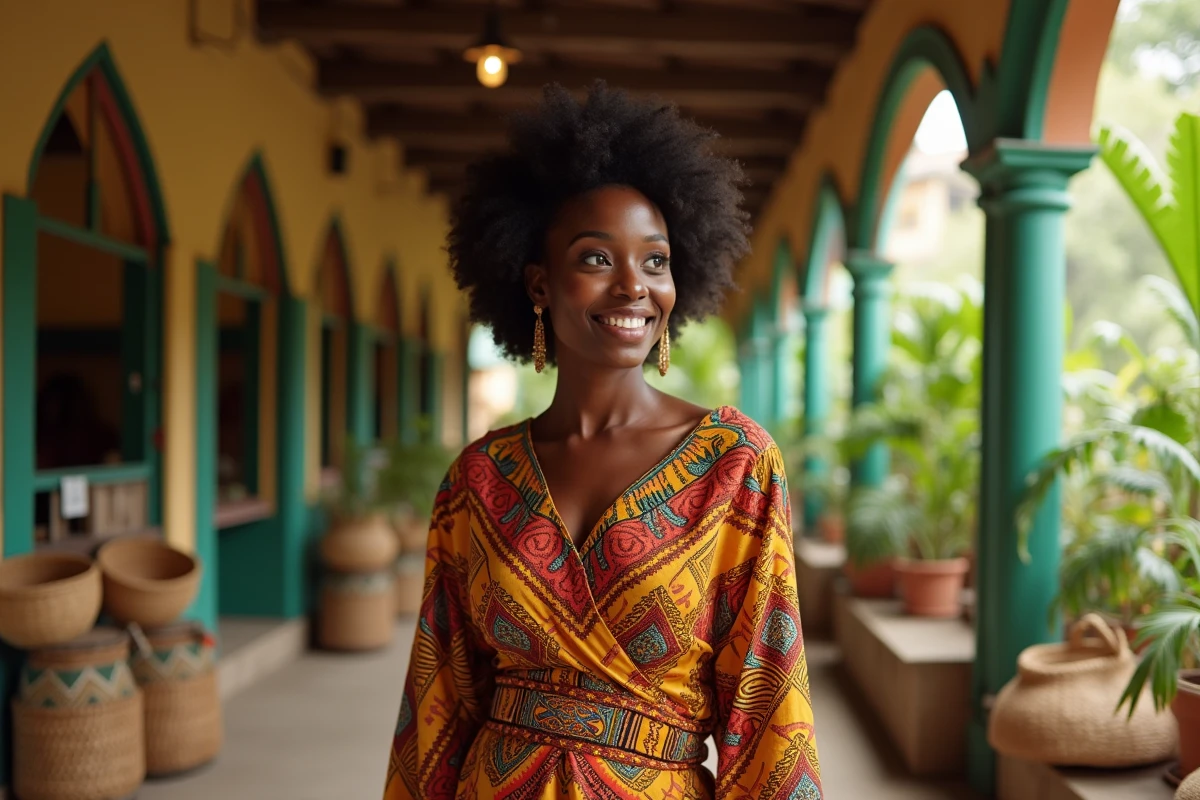
South Africa stands out for the diversity of its representatives, an asset in competitions that now value diversity. Colombia benefits from a tradition of national beauty competitions among the most competitive in the world.
Social Media and the New Relationship with Female Beauty
The shift of rankings to social platforms transforms the criteria. On TikTok, ultra-short videos favor photogenic physiques on smartphone screens. On Instagram, the number of followers becomes an indicator of perceived beauty, regardless of any traditional aesthetic criteria.
Algorithms shape beauty standards just as magazines have done in previous decades. A woman with several million followers will systematically be included in rankings, regardless of her nationality, which begins to reduce the historical geographical bias.
We also observe the emergence of participatory rankings where communities vote directly. This format democratizes selection but introduces a new bias: the best-organized fandoms propel their favorites to the top of the list, regardless of any broad consensus.
Beauty rankings by country in 2024 remain editorial products, not reliable data. Their value lies in what they reveal about our cultural and media biases, much more than what they say about beauty itself.