
Technological innovations in the automotive sector in 2024 are not limited to batteries or touch screens. The most structural change is happening under the hood, in the software architecture of vehicles. Manufacturers and suppliers are reorganizing how a car processes information, communicates with the outside world, and protects itself from digital attacks.
Software-defined vehicle architecture: the technical foundation of new models
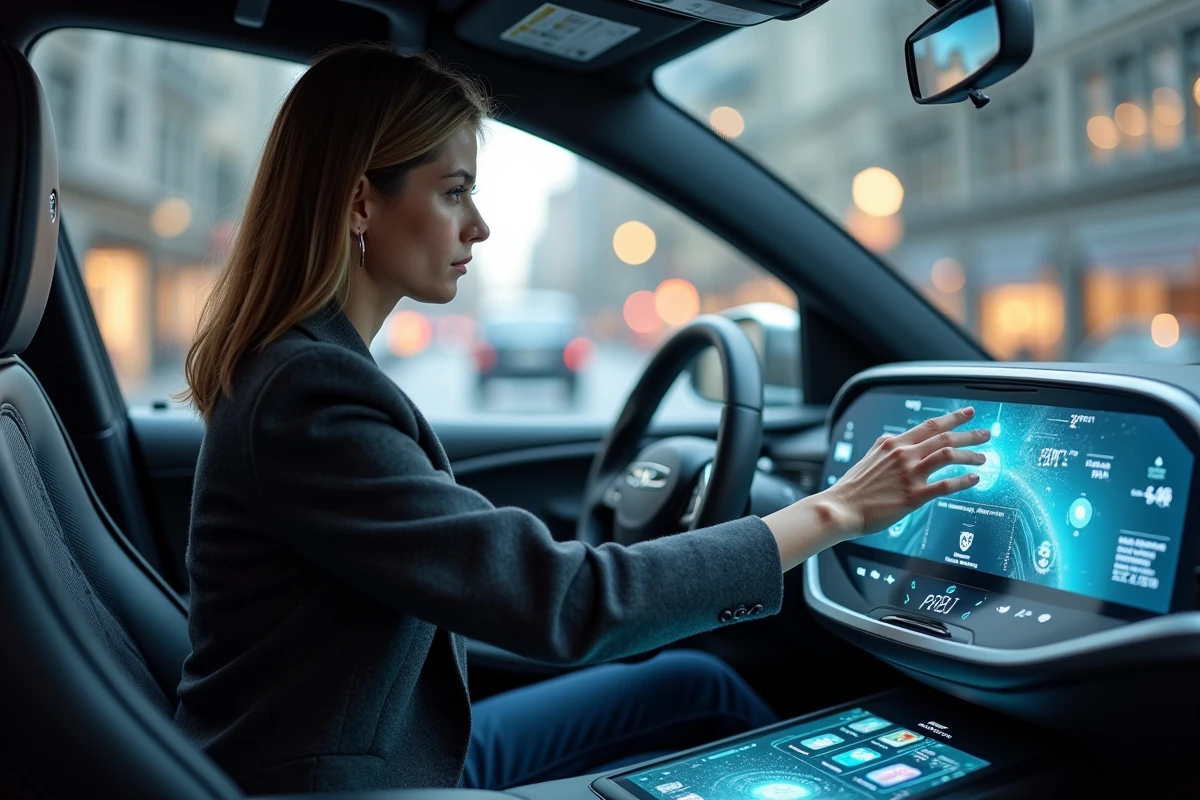
A software-defined vehicle relies on a clear separation between embedded hardware and software functions. Instead of dozens of specialized controllers scattered throughout the vehicle, one or more central computers manage all functions, from powertrain to infotainment.
Stellantis has announced the large-scale deployment of its STLA Brain and STLA SmartCockpit platforms starting in 2025, aiming to unify software functions across all its brands. Volvo Cars has confirmed that its new electric models will be based on a “central computer” architecture developed with Nvidia.
This centralization allows for OTA (over-the-air) updates that are no longer limited to navigation or music. Volvo specified that advanced safety functions will now also be included in these remote updates, changing the functional lifespan of a vehicle. Detailed technical resources are available on automotech.fr to closely follow these developments.
Automotive cybersecurity and UNECE R155/R156 standards
Since July 2024, the UN regulations UNECE R155 and R156 have become mandatory for any new vehicle sold in the European Union. R155 requires a cybersecurity risk management system throughout the vehicle’s lifecycle. R156 regulates the software update processes.
These standards are not mere recommendations. A manufacturer that cannot demonstrate compliance with its processes simply cannot homologate a new model in the European market.
What these standards concretely change
- Each manufacturer must implement an auditable cybersecurity management system (CSMS) covering design, production, and after-sales
- OTA software updates must follow a documented process ensuring that no vulnerabilities are introduced during a patch
- Connected vehicles must integrate intrusion detection mechanisms, including on cellular and Bluetooth communication interfaces
The impact on innovations is direct: every new connected function must pass a cybersecurity filter before reaching the market. Manufacturers that had advanced in embedded software without structuring their cybersecurity now find themselves having to slow down their deployments.
Solid-state batteries: where the technology really stands
Solid-state batteries replace the liquid electrolyte of conventional lithium-ion batteries with a solid electrolyte, typically made of ceramics or polymers. The expected gains are threefold: higher energy density, reduced charging time, and better thermal resistance.
The technology is in its final development stage according to Keysight Technologies. Several manufacturers, particularly in Japan and South Korea, have announced small-scale productions for the coming years.
Current limitations to watch
The transition to mass production remains the main obstacle. The manufacturing processes for solid electrolytes are more complex and costly than those for current lithium-ion batteries. Resistance to rapid charge-discharge cycles over the long term is still undergoing extended testing.
For electric vehicle buyers, this means that solid-state batteries will not replace lithium-ion batteries overnight. The first models equipped with them will likely be positioned in the luxury segment before broader distribution.
Vehicle-to-grid technology and the electrical grid
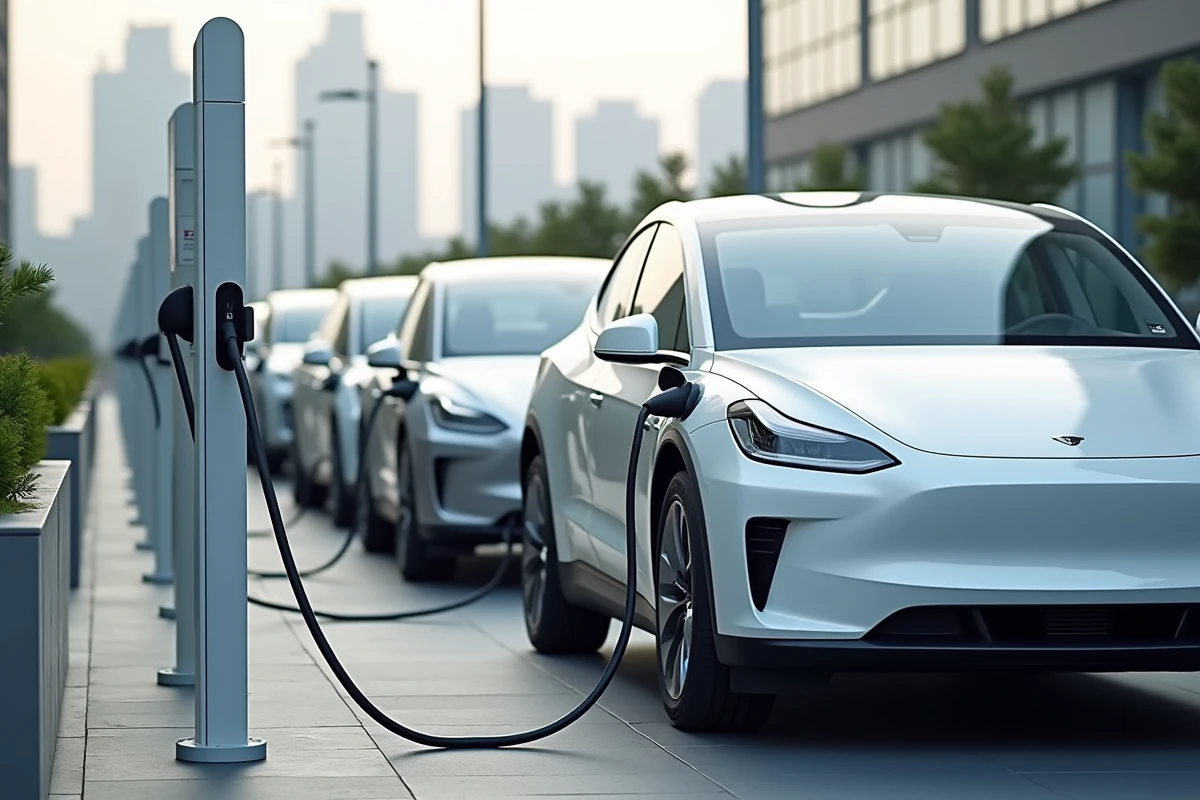
Vehicle-to-grid (V2G) allows an electric vehicle to send electricity back to the grid during peak demand hours. The vehicle then becomes a mobile storage unit, capable of smoothing consumption peaks.
This technology is progressing rapidly in 2024, driven by the growing need for flexibility in the European electrical grid. Several pilot programs are testing the integration of fleets of electric vehicles as stabilization resources.
- V2G requires a compatible bidirectional charger, which excludes most current home charging stations
- The business model relies on compensating the owner for the energy reintroduced, but rates vary significantly by operator and country
- The accelerated battery degradation linked to additional cycles remains a point of unresolved technical debate
For owners of SUVs or electric sedans with large battery capacities, V2G could represent a way to partially recoup the investment in a high-end vehicle.
The automotive sector in 2024 is transforming less through visible gadgets than through deep technical layers: centralized software, regulated cybersecurity, battery chemistry, and interaction with the electrical grid. The vehicles rolling off the production lines in the next two years will have a radically different architecture from those produced five years earlier, even if their exterior design does not reveal it.